

Ever found yourself staring at a dispensary menu, trying to decode whether an indica or sativa is the key to your perfect experience? You’re not alone. New shoppers quickly learn that “indica” means sleepy and “sativa” means energized. It sounds like a reliable system.
Here’s the twist: the science doesn’t actually back that up. Knowing where these labels came from, and what predicts how a product might make you feel, can make you a more confident shopper the next time you’re browsing Elevation’s menu.
Key Takeaways:
- Botanists originally used the terms indica and sativa to describe how a plant looks, not how it makes you feel.
- Genetic researchers have found no reliable difference between plants labeled indica and those labeled sativa.
- Terpenes and cannabinoids, not indica/sativa labels, are what shape your experience.
- Growers have created hybrids that make up the vast majority of the modern market, since almost all strains today come from generations of crossbreeding.
- Shopping by terpene profile and desired effect is a more accurate way to find the right product for you.
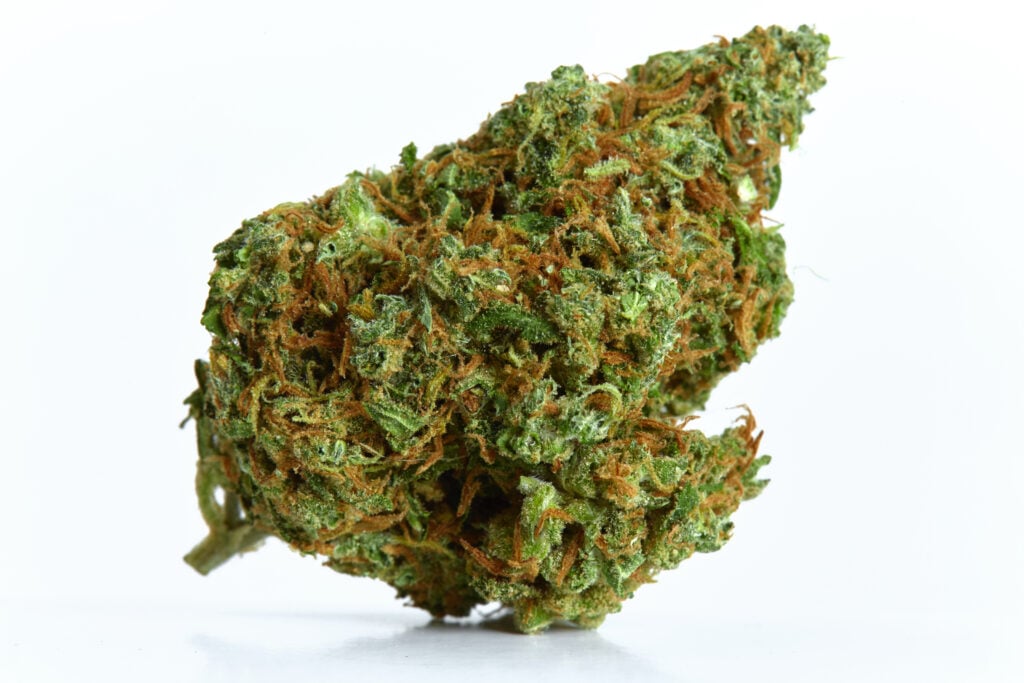
Where the Labels Came From
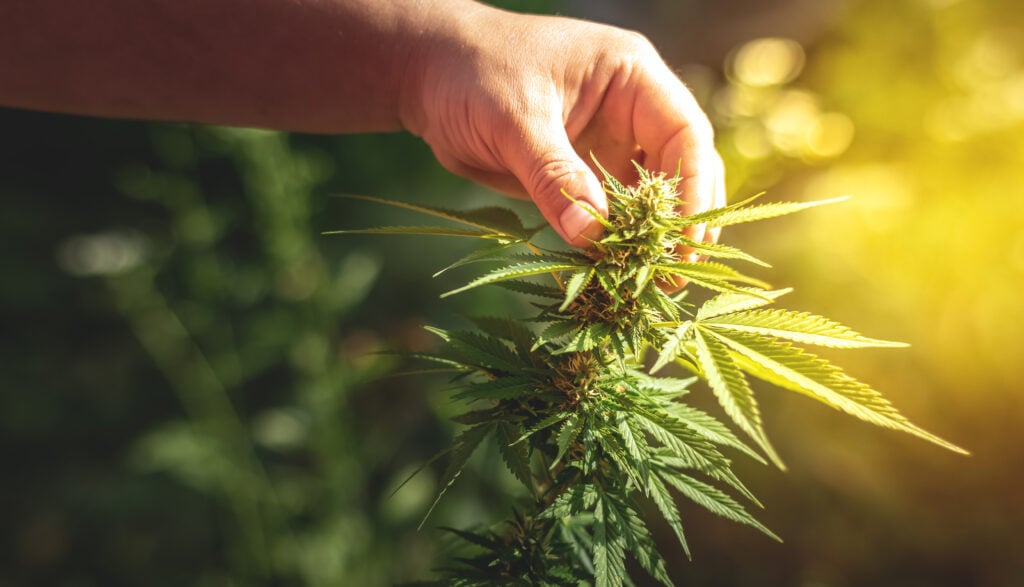
The indica/sativa system dates back centuries, to when botanists classified cannabis by appearance. Indica plants were typically shorter and bushier with wide leaves, often associated with regions like the Hindu Kush mountains. Sativa plants were taller with narrow leaves, often associated with equatorial regions. These descriptions referred to plant structure, not effects.
As cannabis moved from crop fields to dispensary shelves, the labels got repurposed. Growers and retailers began using “indica” to signal relaxing effects and “sativa” to signal energizing ones.
It’s an easy story to tell, and it stuck, even though researchers didn’t test it against the plant’s genetics or chemistry until they started looking more closely.
What the Research Actually Shows
Modern genetic studies have failed to find a consistent divide between plants labeled indica and those labeled sativa. A 2015 Dalhousie University study used thousands of genetic markers and found that strains labeled indica were often genetically indistinguishable from strains labeled sativa. Another analysis with even more markers found no consistent genetic or chemical difference tied to these names.
Recent genome-wide research has added nuance rather than overturning that finding. A 2021 Nature Plants study genotyped cannabis using over 100,000 genetic markers and assessed terpene and cannabinoid content. Sativa and indica labels still did not align with distinct genetic groups, except for a weak association with some terpene synthase genes, which produce terpenes. If the labels mean anything, they may only reflect terpene tendencies, not a true split between “relaxing” and “energizing” plants.
As Sean Myles, lead author of some of this research, put it plainly: “There’s certainly no scientific evidence that there’s any consistent difference between samples with those two labels.”
That’s a striking statement for a system so many shoppers rely on every day.
What’s Actually Driving Your Experience
If indica and sativa labels aren’t a reliable map to how a product will feel, what is? The answer largely comes down to terpenes and cannabinoids, the aromatic compounds and active ingredients that make up a strain’s chemical fingerprint.
A few of the most common terpenes you’ll see on cannabis packaging include:
- Myrcene, with an earthy aroma often associated with a heavier, more sedating feel.
- Limonene, a bright, citrusy terpene often associated with mood lift and focus.
- Pinene, with a forest-like aroma linked to mental clarity and physical relaxation.
- Linalool, a floral terpene reminiscent of lavender, often associated with calm.
- Beta-caryophyllene, a spicy, peppery terpene.
Many researchers believe these compounds work with cannabinoids like THC and CBD in what’s known as the entourage effect. Whole-plant products may feel different than isolated compounds because everything acts in concert.
It’s an active area of ongoing research, but it’s a far more grounded starting point than a two-word label.
Why Almost Everything Is a Hybrid Anyway
Here’s something that surprises a lot of new shoppers: the overwhelming majority of cannabis available today, even strains marketed as “pure” indica or sativa, are technically hybrids. Breeders have intentionally crossbred cannabis for generations, mixing genetics from multiple parent strains to chase specific traits like aroma, yield, or a particular effect profile.
Sometimes a cross keeps strong similarities to its parent strains. Other times, breeders develop a new strain that takes the genetics in a different direction. That unpredictability makes strain genetics a fascinating part of cannabis shopping.
Want to learn more about how lineage shapes a strain? Our guide on why cannabis genetics matter explains phenotypes, breeding, and what separates strains that share a family tree.
How to Shop Smarter at Elevation
Instead of relying on the indica/sativa/hybrid label, focus on terpene profile and desired effect. Ask yourself what you want: to wind down after a long day, stay social and clear-headed, or help with focusing. That question is a better starting point than old botanical labels.
A few practical habits can help:
- Read the terpene profile on the label, when available, not just the THC percentage.
- Ask your budtender what a specific product tends to feel like for other customers.
- Start low and go slow, especially with a new strain, since your body chemistry, tolerance, and even what you’ve eaten can shape your experience.
- Take notes on what you tried and how it felt. Over time, you’ll build your own reference point.
At Elevation, our Shop by Category menu makes it easy to browse flower, pre-rolls, edibles, vapes, concentrates, and topicals side by side. You can compare terpene profiles and product types rather than sorting by indica or sativa alone.
If you want to explore our house-grown lineup, try our Native Sun Grown flower, the Squaxin Island Tribe’s outdoor-grown cannabis brand. The Tribe also owns Harmony Farms, an indoor cultivation brand known for its extensive strain library. Both are available at Elevation.
FAQs About Indica vs. Sativa vs. Hybrid
- Is indica really more relaxing than sativa?
Not reliably. Research hasn’t found a consistent link between the indica label and sedating effects, or sativa and energizing ones. Individual strains vary widely regardless of label. - If the labels aren’t accurate, why does the industry still use them?
Mostly out of habit and convenience. The system is deeply embedded in how cannabis has been marketed for decades. It still offers a starting point for some shoppers, even if it isn’t scientifically precise. - What should I look at instead?
Terpene profile and cannabinoid content are more informative than the indica/sativa label alone. If you know a terpene that works well for you, like limonene for a mood lift or myrcene for winding down, that’s a more useful filter.
- Are all cannabis strains technically hybrids?
The vast majority are, yes. Decades of selective breeding mean that even strains sold as pure indica or sativa usually carry genetics from both lineages.
Find What Works for You at Elevation
At Elevation, we want to help you move beyond the guesswork. Instead of choosing between indica and sativa, think about the feeling you’re chasing. Want to melt into the sofa after a long shift? Great, we’ll look for terpenes and cannabinoids that lean that way. Need to stay sharp and social? We’ve got you covered.
Our budtenders at both our Kamilche and Tumwater locations know the genetics and the profiles of every batch, so they can point you toward something that actually fits the moment.
Browse our full menu online, explore our Native Sun Grown and Harmony Farms lineups, and stop by whichever Elevation location is closest to you. We’re here to help you shop with a little more confidence and curiosity.
DISCLAIMER: The contents of this blog are intended for informational purposes only. Always seek the advice of a physician or other qualified healthcare provider with any questions you may have regarding a medical condition. Cannabis products are intended for adults 21 and older. Please consume responsibly and in accordance with Washington State law.
